
person_outline

Lenny Antonelli is deputy editor of Passive House Plus. He also writes regularly for the Irish Times, and has contributed to a variety of other publications including the Sunday Times, the CS Monitor, Village, the Sunday Tribune amd the Dubliner. He is currently working on a radio documentary on Ireland's oceans.
Website URL: http://lennyantonelli.ie/
Tuesday, 09 February 2016 10:20
The UK's greenest ever retrofit - 6 years on
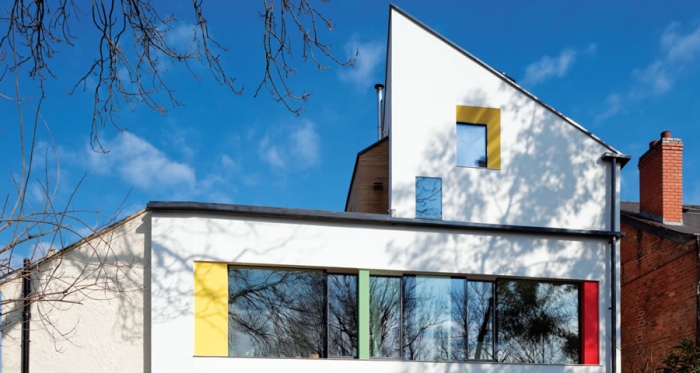
This pioneering upgrade project, completed in 2009, turned a Victorian redbrick in Birmingham into one of the UK’s greenest homes. Along with a much wider ecological agenda, the house employed fabric first principles of insulation and airtightness, and met passive house design targets at a time when the standard was still in its infancy in the UK.
Published in
Upgrade
Monday, 08 February 2016 16:30
RIBA: passive house represents big growth area for British architects
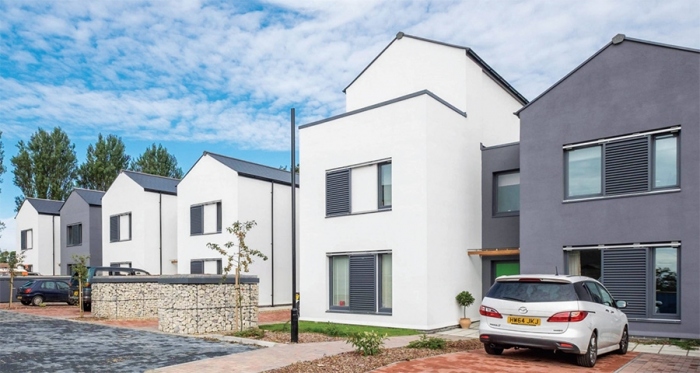
The Royal Institute of British Architects said that, despite some growing pessimism among architectural practices about business prospects, passive house design represents a new and exciting growth area that offers added value for architectural firms.
Published in
Design Approaches
Tagged under
Monday, 08 February 2016 11:44
International selection - issue 13
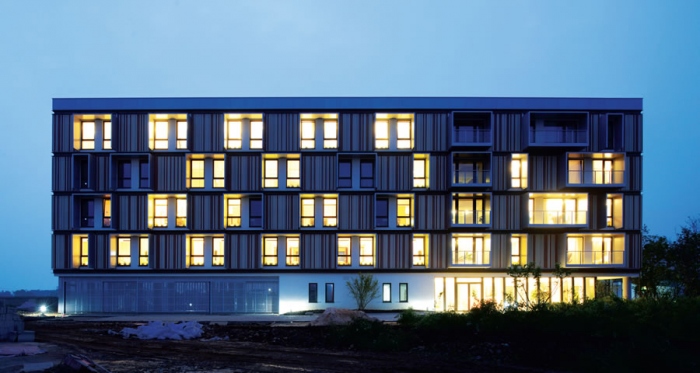
This issue’s selection includes a Chinese apartment block, Finnish social housing, an ambitious New York retrofit, and a German passive house district
Published in
International
Tagged under
Monday, 25 January 2016 12:40
University of Nottingham launches new 'Pulse' air-test unit

The University of Nottingham has developed a “novel and easy-to-use test for measuring the airtightness of buildings” in order to help eliminate draughts, improve energy efficiency and reduce heating bills.
Published in
Product News
Tagged under
Tuesday, 01 December 2015 13:19
Passive house to stake claim at Paris climate talks

International Passive House Association to make presentations at Paris climate talks
Published in
Events
Tagged under
Friday, 06 November 2015 15:30
Manchester social housing gets passive regeneration
The upgrade of two social housing blocks in Manchester to the Enerphit standard demonstrates how deep energy retrofit can play a part in turning old, run-down estates into vibrant, comfortable, low energy communities.
Published in
Upgrade
Friday, 06 November 2015 15:13
Enerphit upgrade breathes new life into Dublin home
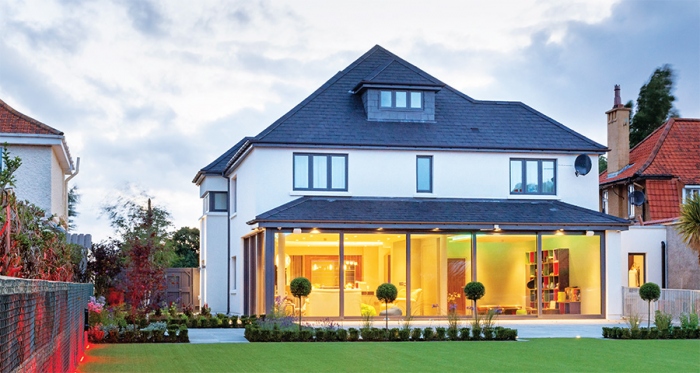
This ambitious and complicated project — a partial upgrade, partial rebuild of an old detached property in south Dublin — is on course to achieve the onerous Enerphit standard for retrofit.
Thursday, 05 November 2015 14:43
Private Enerphit homes come to London rental market
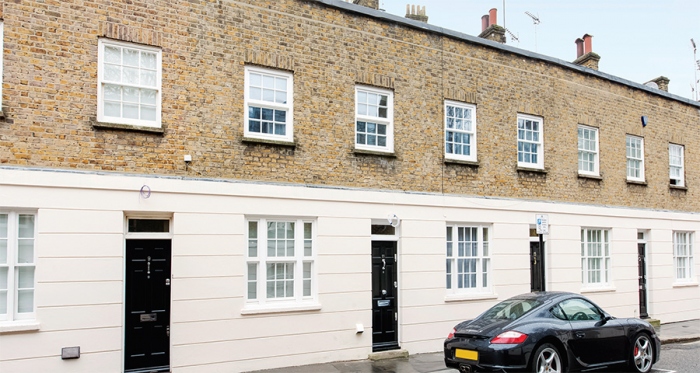
Grosvenor’s upgrade of two historic properties in Belgravia brings high-end passive housing to Westminster.
Thursday, 05 November 2015 14:16
Ireland’s first fully passive retrofit
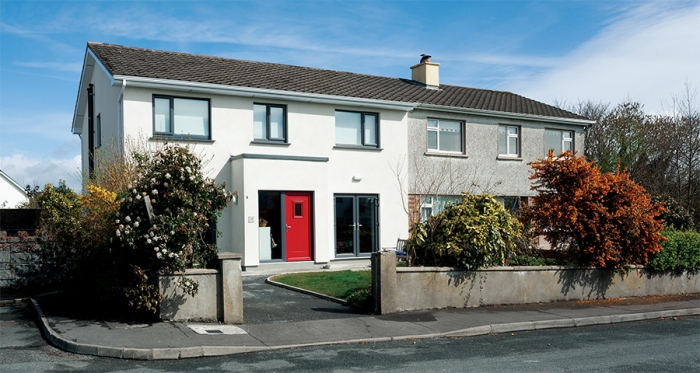
This 1960s Galway home was turned into a passive house - and is costing just €55 per year to heat.
Thursday, 05 November 2015 14:07
Norfolk social housing hits passive for standard costs
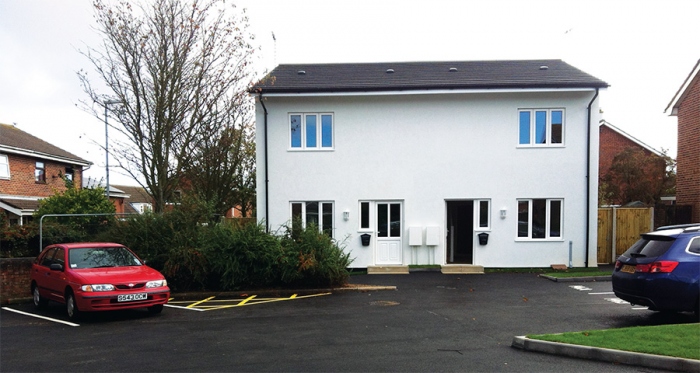
Twelve units in Great Yarmouth deliver low energy bills and comfort for new tenants using patented timber frame system.
Published in
New build
Page 7 of 47