Naturally Insulated Wicklow house sets airtightness standard
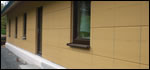
A new timber frame house in the Wicklow hills is arguably the most airtight building ever built in Ireland, boasting wood fibre external insulation and an obsessive attention to sealing

Welcome to the archive of Construct Ireland, the award-winning Irish green building magazine which spawned Passive House Plus.
The feature articles in these archives span from 2003 to 2011, including case studies on hundreds of Irish sustainable buildings and dozens of investigative pieces on everything from green design and building methods, to the economic arguments for low energy construction.
While these articles appeared in an Irish publication, the vast majority of the content is relevant to our new audience in the UK and further afield. That said, readers from some regions should take care when reading some of the design advice - lots of south facing glazing in New Zealand may not be the wisest choice, for instance.
Dip in, and enjoy!
A new timber frame house in the Wicklow hills is arguably the most airtight building ever built in Ireland, boasting wood fibre external insulation and an obsessive attention to sealing
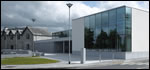
With great attention to energy, materials and water, ABK Architects’ new civic precinct shows that smart green design can show no sign of compromise
Adding to the list of developers aiming to deliver energy efficient housing, Cronan Nagle Construction are currently on site with 188 highly insulated, airtight homes in Ennis, co. Clare. The development, which also incorporates heat recovery ventilation and condensing gas boilers is surpassing the thermal requirements of Building Regulations by up to 45%, as John Hearne discovers.
Little did we know when campaigning for the Fingal energy standard in 2005-06 that Construct Ireland would have a direct impact on Ikea’s first Irish store. Driven by a combination of Fingal’s requirements and their own renewable energy policy, the Swedish retail giant has invested in the largest ground source heat pump installation in Ireland and the UK, along with a well-thought biomass system fed by an onsite waste stream and a host of other green measures, as John Hearne reports
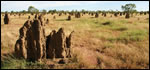
Do termites apply building science better than humans? Award winning architect Sean Harrington takes a characteristically left-of-brain approach to our international feature, leading to some humbling lessons.

In April this year the first NSAI Agrément certificate was issued for the application of external insulation to existing dwellings. Joseph Little of leading green architects Joseph Little Architects used analysis from his practice’s Building Life Consultancy service to assess the certificate, and encountered issues which raised questions over whether it should have been issued in its current form.

With an economy fuelled by a government approach to planning that many people equate to a road building and house building free for all, it should come as no surprise that quality of life suffers