Warning
  • JUser: :_load: Unable to load user with ID: 222

From the Construct Ireland archives


Welcome to the archive of Construct Ireland, the award-winning Irish green building magazine which spawned Passive House Plus. The feature articles in these archives span from 2003 to 2011, including case studies on hundreds of Irish sustainable buildings and dozens of investigative pieces on everything from green design and building methods, to the economic arguments for low energy construction. While these articles appeared in an Irish publication, the vast majority of the content is relevant to our new audience in the UK and further afield. That said, readers from some regions should take care when reading some of the design advice - lots of south facing glazing in New Zealand may not be the wisest choice, for instance. Dip in, and enjoy!

Zero carbon

Insulation-wrapped concrete home heads for zero carbon
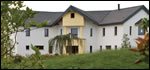
Energy efficiency is about more than just U-values – the building envelope must be airtight and virtually cold bridge free. Construct Ireland visited a single-leaf concrete house nearing completion in Moate which combines an excellent envelope with wind, solar and a range of green measures, with the aim of reducing energy and carbon figures to zero in the home’s BER score.

Winning Combination

0311-WinningCombinationTITLE.jpg
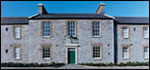
A new development in the historic town of Thomastown, County Kilkenny brings the cutting edge of green innovation into a setting known for its medieval heritage. John Hearne visited the site, where a commitment to the environment is evident in sustainable design combined with everything from airtight detailing to technologies such as factory insulated timber frame, low energy windows, solar thermal, photovoltaic and heat recovery ventilation

Venting opinions

Why ventilation requirements of buildings regulations must be overhauled
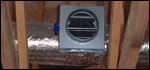
Whilst great strides are being made in upgrading energy performance requirements under Part L of the Building Regulations, the issue of ventilation has remained largely ignored by legislators for years, leaving designers with antiquated standards to work to. At its worst, efforts to air-tighten and increase the insulation of homes is being undermined by the absurd practice of knocking holes in walls. John Hearne looks into what changes need to be made to modernise Part F.

International selection

International Selection
When Construct Ireland asked Vivienne Brophy of the UCD Energy Research Group to select projects for this feature she suggested that the second year UCD Architecture students make the selection, using UCD’s sustainable building rating system tool to verify their choice

Malahide tennis club

Malahide Tennis Club
High levels of external insulation, abundant natural light and a minimalist approach to ventilation are ensuring that Malahide Lawn Tennis and Croquet Club is as green as its courts

New Build VS Old Build

0206newvsoldtitle.jpg
A recent study undertaken by Dublin City Council could serve to shatter many commonly held misconceptions about how existing buildings can perform when compared to new build, even simply just in terms of running costs.

Opinion

Opinion-SMALL.jpg
Ramon Arratia, sustainability director for InterfaceFLOR in Europe, Middle East, Africa & India

Incentive innovation

Government grants aim to stimulate A2-rated housing
Energy Minister Eamon Ryan recently announced a e9 million fund to be administered by SEI for sustainable housing including, crucially, micro-generation of renewable electricity. Jason Walsh talked to SEI and industry figures to examine the scheme’s future.

Rest Assured

0303-kilternantitle.jpg
Brian Homan, Joint Managing Director of leading consulting engineers Homan O’Brien Associates describes a nursing home currently being built that is adopting a sustainable building approach to deliver healthy, comfortable accommodation at low running costs.

Saving Plan

0302-savingplantitle.gif
Fingal County Council have clearly shown a laudable commitment to innovation by introducing a mandatory planning requirement for seven areas that all new developments reduce energy use and C02 emissions relating to space & water heating to 60% below Building Regulations requirements, with 30% of space & water heating coming from renewable energy sources