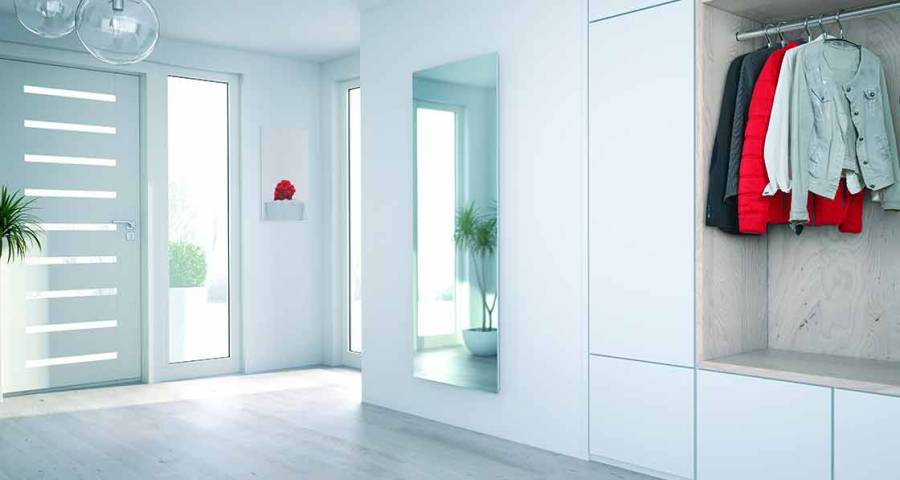
Viessmann expands its electric heating range
Viessmann has launched a range of
electric heating products to the UK
to complement its established line of
heat pumps.


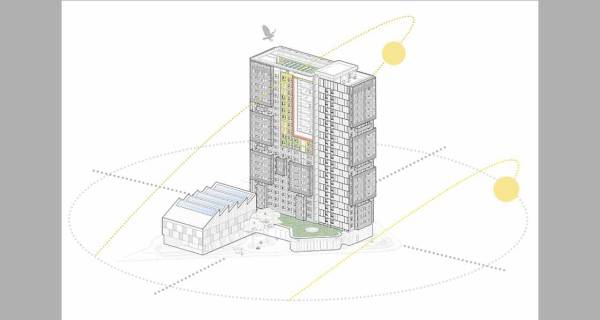



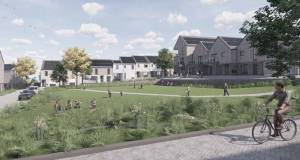
The Welsh government has issued a new standard for social housing that requires an embodied carbon assessment, favours timber-based offsite construction, and bans fossil fuel boilers.
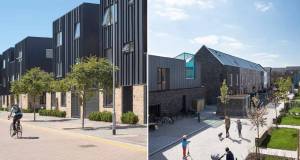
At COP26, the United Nations Economic Commission for Europe (UNECE) recognised the UK’s Sustainable Development Foundation (SDF), along with South West College in Northern Ireland and the Construction Scotland Innovation Centre, as international centres of excellence for high performance buildings.
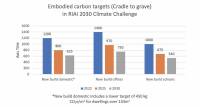
The Royal Institute of Architects of Ireland (RIAI) has launched its 2030 Climate Challenge, calling for urgent action to be taken by architects and the wider construction industry to tackle the climate emergency.
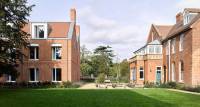
Most people think of cold, cramped and poor-quality buildings when they think of student accommodation, but two new passive house residences at King’s College, Cambridge are rewriting the rulebook, with their focus on occupant comfort, architectural quality, and an enlightened, long-term view of construction costs.
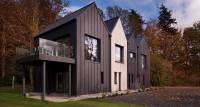
An intriguing new passive house in Dundee takes the traditional ‘box’ form associated with the standard and turns it on its head, using a series of pitched roofs and different claddings to make it feel more like a traditional city terrace than a single dwelling – built with a heavy emphasis on carbon sequestering materials.
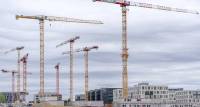
Ireland’s new climate action plan, which was published on Thursday 4 November, contains the country’s first official targets for limiting the embodied carbon of construction materials.