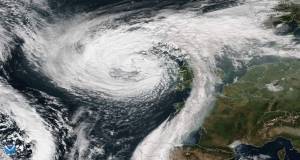
In 2099, it never rains, but it pours
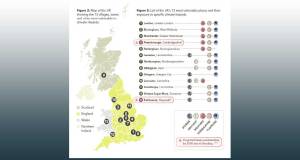
The familiar North Atlantic drizzle may be giving way to more forceful, building-battering rain. A new study
warns of shifting patterns that will test the resilience of structures, writes Toby Cambray.

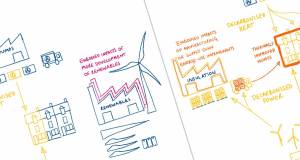
With an increasing emphasis on the electrification of heat as the electricity grid decarbonises, interest in reducing the embodied carbon of buildings is growing. But does a focus on embodied carbon alone risk giving needlessly energy intensive ways of making buildings a free pass? In the first of a new series of articles, Dr Lois Hurst journeys into understanding embodied and life cycle impacts in construction.
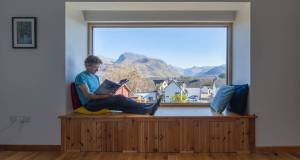
From frozen tea to thermal bliss: energy specialist Esmond Tresidder transformed his leaky 1970s Highland home into one of the highest performing retrofits ever featured in these pages, combining academic knowledge with hands-on retrofit innovation to create a comfortable, healthy family haven with breathtaking views of Ben Nevis, proving that even Scotland’s most challenging climates are no match for passive house principles.
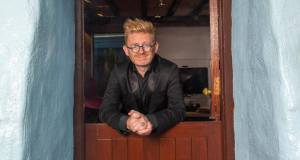
Through passion, patience, and architectural expertise, a 16th century Carmel-ite friar’s cottage in Kinsale, owned by Passive House Plus columnist Dr Marc Ó Riain, has achieved what many thought impossible— an A1 energy rating for a Tudor-era building. But not without challenges.
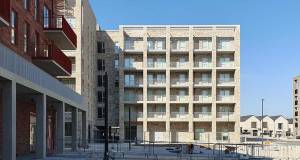
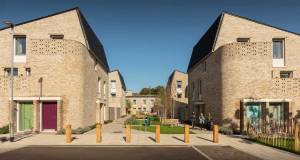
Ireland's largest passive house development to date, Shanganagh Castle, is proof that with proper planning and collaboration, delivering high density housing doesn’t mean compromising on quality or climate action – without increasing costs or causing delays.
The upgrade of Ireland's retrofit target to A3 marks a critical step forward, bridging the gap between energy modelling and real-world performance, explains Dr. Marc Ó Riain.
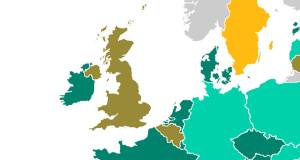
As electricity decarbonises, the case for switching from fossil fuel boilers to efficient use of electricity to heat buildings via heat pumps has become overwhelming. But in markets like the UK where electricity is far more expensive than the European average, and people on low incomes may be chronically underheating poorly insulated homes, could a drive to electrify heating exacerbate energy poverty?
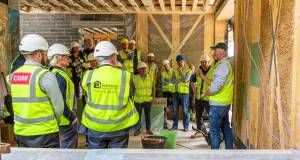
EcoCocon, a leading European manufacturer of prefabricated straw wall panels, has announced a new, exclusive partnership with Ecological Building Systems, making EcoCocon's innovative straw-based wall system more accessible to professionals across the UK and Irish construction markets.

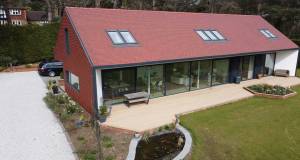
Certified green homes are becoming mainstream across Europe – boosted by collaboration from experts in green building and finance. Smarter Finance for EU (Smarter4EU), a pan-European initiative dedicated to the creation of a mainstream European green housing market, announced a range of new initiatives at the “Banking on Green Homes" event in Madrid, on 28 May.


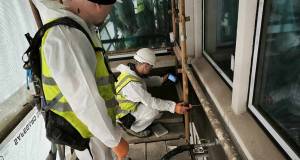
A landmark Georgian building on St Stephen’s Green has become the latest showcase for innovative sustainable building technology, as the Office of Public Works completes a major retrofit using Firetite aerated clay cavity wall insulation, supplied by Econ Building Products.
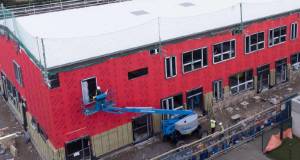
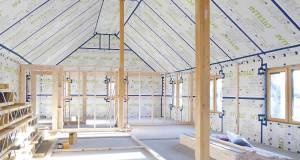
A. Proctor Group’s Wraptite airtightness membrane is being specified in a number of Scottish passive schools – including an award-winning school in Perth and Kinross.Riverside Primary, Scotland’s inaugural primary school to achieve passive house certification, accommodates nearly six hundred pupils including eighty nursery-age children, and has been nominated for and secured multiple accolades for its innovative and sustainable design.
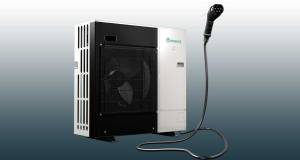
A Dublin-based technology company has partnered with Japanese electronics giant Mitsubishi Electric to launch what they claim is the world’s first integrated heat pump and electric vehicle charger system.

As global temperatures soar, an Irish organisation is bringing experts together this month for a summit on the future of sustainable construction.